Is Smoking Bad for Your Teeth?
Share
Smoking affects more than just your lungs. One of the first places the impact shows up is in your mouth. Teeth, gums, and saliva work together to protect your oral health, and smoking disrupts every part of that system. Whether you smoke occasionally or daily, research shows clear and consistent effects on dental health.
How Smoking Affects Your Teeth
When you smoke, your teeth are exposed to heat, nicotine, tar, and thousands of chemicals. These substances cling to enamel and penetrate its surface, leading to discoloration and buildup over time.
The American Dental Association notes that smokers are far more likely to experience tooth staining, plaque accumulation, and tartar buildup. Nicotine turns yellow when exposed to oxygen, and tar is naturally dark, which explains why smoker stains are often difficult to remove with brushing alone.
Common tooth-related effects include:
- Yellow or brown discoloration
- Increased plaque and tartar
- Higher cavity risk
- Chronic bad breath
Smoking and Gum Health
Gums are especially vulnerable to smoking. Tobacco restricts blood flow, which reduces oxygen and nutrients reaching gum tissue. This weakens the body’s ability to fight infection and repair damage.
According to the Centers for Disease Control and Prevention, smokers are about twice as likely to develop gum disease compared to non-smokers. Smoking also masks early symptoms, meaning gum disease often progresses further before it is noticed.
Over time, this can lead to:
- Gum inflammation and tenderness
- Receding gums
- Loose teeth
- Advanced periodontal disease
Dry Mouth and Reduced Saliva
Saliva is one of your mouth’s most important defenses. It helps wash away food particles, neutralize acids, and protect enamel. Smoking commonly causes dry mouth by reducing saliva production.
The National Institute of Dental and Craniofacial Research explains that reduced saliva increases the risk of cavities, sensitivity, and bacterial growth. This is why many people who smoke notice their mouth feels dry, sticky, or uncomfortable, especially after smoking.
Dry mouth can contribute to:
- Faster tooth decay
- Mouth irritation
- Increased sensitivity
- Difficulty maintaining fresh breath
Long-Term Oral Health Risks
Over time, the effects of smoking compound. Chronic gum disease can lead to tooth loss, and healing after dental procedures is often slower and less predictable.
The Mayo Clinic highlights that smoking interferes with healing after extractions, implants, and oral surgery. Smokers also face a higher likelihood of complications during dental treatments.
On a broader scale, the World Health Organization identifies tobacco use as a major global risk factor for oral diseases, including gum disease and tooth loss, reinforcing what dental professionals see worldwide.
How to Protect Your Teeth if You Smoke
While the best option for oral health is not smoking at all, there are ways to reduce the damage and support your teeth and gums:
- Brush and floss consistently, especially after smoking
- Visit your dentist regularly for professional cleanings
- Drink plenty of water to support saliva production
- Use products designed to relieve dry mouth
- Avoid letting smoke linger in your mouth
Supporting saliva flow and maintaining a clean oral environment can significantly improve comfort and long-term outcomes.
Where Nokkomo Mints Fit In
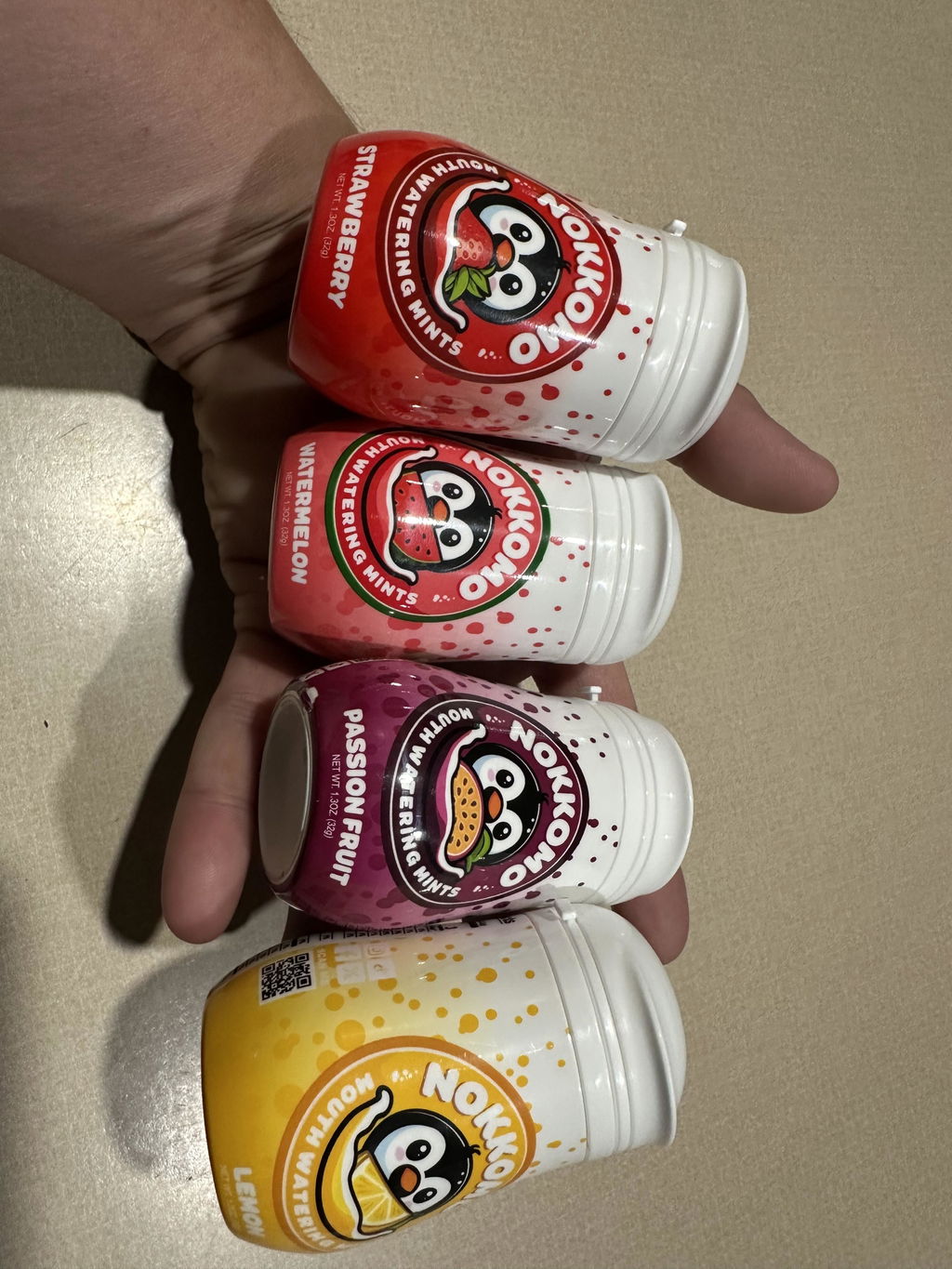
Dry mouth is one of the most common oral side effects of smoking. Nokkomo Mints are designed to stimulate saliva and refresh the mouth, helping counter dryness and buildup between brushing. For people who smoke, having a functional mint on hand can support oral comfort and freshness throughout the day.
Final Thoughts
So, is smoking bad for your teeth? Yes. Extensive research from leading dental and health organizations shows that smoking negatively affects tooth color, gum health, saliva production, and long-term oral wellness.
While smoking increases oral health risks, being proactive with hygiene, hydration, and saliva support can help reduce discomfort and protect your smile. Small habits make a big difference when it comes to keeping your teeth healthy over time.